The excellent amateur vs the unprepared professional
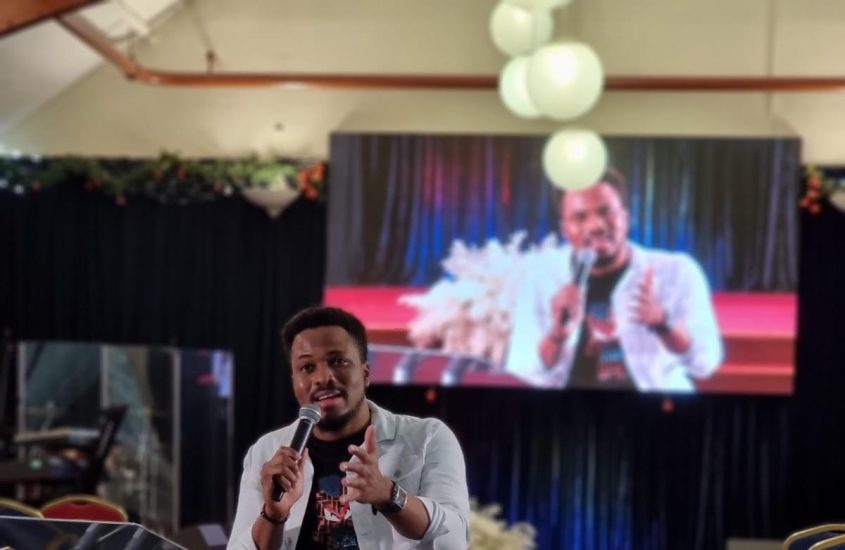
I’ll always remember the first time I had to speak in front of a large group of people. I only found out about it four days before, while I was at work. Suddenly, I couldn’t concentrate at all. It felt like I was stuck in a freezing grip, squeezing my insides. The air around me seemed heavy, making it tough to breathe. My heart started racing fast and unevenly, like an anxious drumroll.
As the day approached, my hands became sweaty and shaky, and my heart kept racing. My mouth felt dry, making it hard to speak confidently. I wondered why there was no water nearby or if it was because I had chewed gum a few minutes before. So many thoughts rushed through my mind while I tried to look spiritual in front of the watching audience.
The world around me became blurry, and time seemed to slow down, making every moment feel much longer. It was an intense feeling of nervousness—a strong, emotional experience that can make you feel vulnerable, like a storm inside, testing your strength. But with resilience, you can overcome it and come out stronger on the other side.
Don't just speak; connect. The power of your story lies in its genuine delivery.
I had a choice. I could either embrace being an amateur at this or act like a professional. I realized acting like a professional was pointless because I wasn’t one. I’d rather be an excellent amateur than an unprepared, or failed professional.
An amateur is a passionate individual, untrained but with something to say. If you’re asked to give a talk or presentation, the biggest mistake is trying to be just like a professional speaker but not quite as good. It’s better to stay home and send a memo.
Don’t set yourself up for failure by pretending to be something or someone you’re not. The opportunity is to refuse to become a slightly prepared wannabe professional speaker. Just like it doesn’t pay to slightly practice the violin or sort of get ready to play football. Remember, the goal is excellence, and as I wrote in The Demand for Excellence: “Whoever I am or whatever I am doing, some kind of excellence is within my reach. Excellence isn’t just for a privileged few, nor is it reserved for the elite or genius. It is for you—wherever you are, whatever you do.“
If you act like something you’re not, you might land a few well-timed punchlines or have a clever slide design, but it probably won’t work well.
The alternative is to eagerly become an excellent amateur, and here are some thoughts to get you started:
Always remember, the microphone amplifies your authenticity, not your nerves. Own your voice.
Do you have something to say?
If not, stay home and send a memo. But if there’s a story you want to tell, a change you want to make, or an impact you want to have, be clear about what it might be. Simply getting through your speech probably isn’t a worthy goal.
Don’t apologize.
Don’t apologize for being nervous, for caring, or for not having 200 practice runs under your belt. The audience is giving you a tiny slice of time and attention. Every expert started somewhere, and every excellent professional had a run at being an amateur. You cared enough to show up, so go for it.
Find just one person.
You have a microphone, and there’s a room with some people in it. One person in the room is the kind of person you can tell your story to. So, tell it to them. Ignore every other person. Don’t project your voice to fill the room or pace around like a professional speaker. This is real life. Find one person and tell them your story. If others want to listen in, that’s fine.
Don’t memorize and don’t read.
Talented actors can read and make it sound like they’re not reading. Almost no one else can. Amateurs understand that they’ve been telling stories their whole lives, and given the chance, they can tell a story again, without reading it. Become passionate about what you are speaking about and tell it from your heart.
This isn’t a performance.
Professionals perform. It’s their job. This is you sharing the change you’d like to make with one person sitting a few feet away from you.
Think about the most important interactions you’ve had. The ones with partners, doctors, strangers, and friends. None of them were professional speeches. Instead, a human interacted with you and made a change happen. Not because they had a script and a director, but because they cared.
The challenge isn’t in becoming a sort of pretty good professional presenter. The challenge is becoming you, and you excel and become an excellent professional when you become unapologetically you. Of course, it’s scary. But the response to fear isn’t to soothe ourselves with memorization and insulation. It’s to simply show up authentically. Always remember, the microphone amplifies your authenticity, not your nerves. Own your voice.